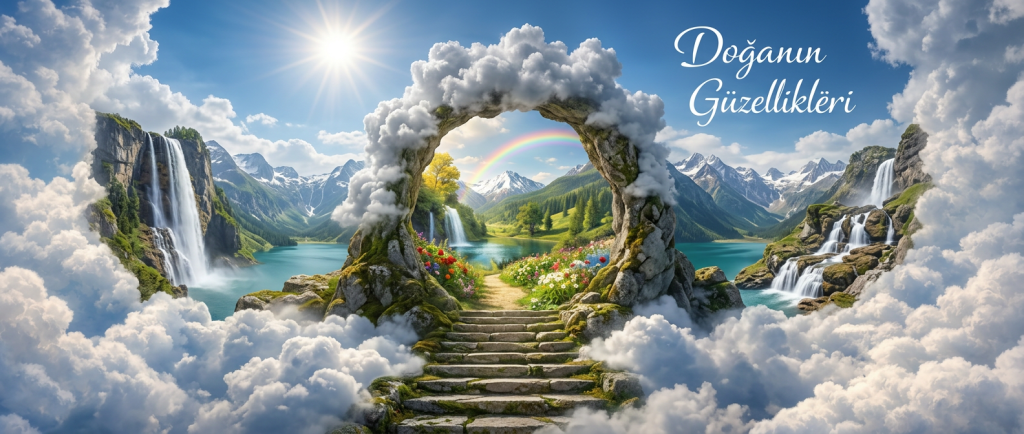
Nature is not only a habitat for humanity but also an invaluable source that provides the physical and mental health resources we need to sustain our lives. Every forest, every flower, every stream is essential for the existence and survival of humankind. From the earliest moments of human history, nature has provided shelter and food for all civilizations, and it remains an irreplaceable force in sustaining life on Earth. However, for a long time, nature has been facing the danger of rapid destruction due to humanity’s unconscious activities. Forests are disappearing, oceans are getting polluted, air pollution is increasing, and the spaces where wildlife thrives are rapidly shrinking. At this point, the need to protect nature is more urgent than ever.
Protecting nature is, in fact, not only about preserving the beauty of nature, but also about safeguarding the foundations upon which we build our future. Natural resources are crucial for the survival of humanity and all other living creatures. Water, air, soil, forests, and oceans contain all the elements necessary for human survival. These resources are being increasingly degraded by human activities, and this destruction goes beyond the loss of nature—it leads to the collapse of entire ecosystems. As long as humanity fails to fulfill its responsibility toward these beautiful resources, the world we leave behind for future generations will be far from the beauty that nature once provided. Therefore, protecting nature is essentially about preserving our health, well-being, and the livable world we will pass on to future generations.
Every step taken to open the door to the beauty of nature is a significant investment in the future. Every precaution taken today will serve as a key to preventing the major environmental issues we will face in the future. The sensitivity of a community or individuals to nature will not only improve the quality of life within that community but will also help prevent environmental threats. If humanity does not adopt a lifestyle in harmony with nature, it will not be able to benefit fully from the incredible beauty that nature has to offer. If each individual fulfills their responsibility to the environment, a societal movement can be initiated, and for this movement to be effective, it is necessary to develop not only individual but also societal and global awareness.Environmental awareness is the most important step in the process of protecting nature.
Environmental awareness should not be limited to mere admiration of nature’s beauty. This awareness should push us to recognize that the depletion of nature’s resources is happening and motivate us to take action to stop this depletion. Individuals with environmental awareness not only consider their own interests but also respect the rights of all living creatures within nature. Each person who protects the environment supports both their own life and the entire ecosystem. This is not only love for nature but also respect for oneself and the world. Environmental awareness should not just be a responsibility but also a way of life.
Actions like preventing the cutting down of trees, reducing water waste, recycling, and protecting animal habitats are concrete examples of our respect for nature. The widespread environmental consciousness within society not only defends the beauty of nature but also helps people live in harmony with it. Many people, as they weaken their bond with nature, tend to destroy the resources that nature offers. However, when we form a strong connection with nature, it becomes much easier to avoid harming it.
At the heart of protecting nature lies ensuring the efficient use of the resources nature provides. The most important steps in this regard are to conserve water and energy, implement recycling practices, choose eco-friendly products, and support organic farming. Every individual can contribute to protecting the environment by being mindful of how water is used, monitoring electricity consumption, and being conscious of the packaging of products they consume. For example, we can take small but effective steps in our homes to conserve water: using faucets that don’t drip, consuming water for short periods in an efficient manner, turning off the water while taking a shower—these simple changes can make a big difference in conserving the water resources of nature. In addition, by using technologies that increase energy efficiency, we can reduce the environmental damage caused by fossil fuels. Renewable energy sources such as solar energy prevent the depletion of natural resources while also contributing to the protection of nature.
The conservation of natural resources is vital for the future of a society. However, this process should not be limited to individual efforts alone. Creating societal awareness, producing environmentally sensitive policies, and ensuring the implementation of these policies are crucial. Environmental laws, increasing green spaces, projects that prevent environmental pollution, and global agreements aimed at reducing carbon emissions can make efforts to protect nature more effective. For example, increasing green spaces in a city not only protects the ecosystem but also ensures that people can lead healthy lives. Such societal projects strengthen people’s connection with nature while further reinforcing environmental awareness.Education is one of the most powerful tools in the process of protecting nature. Children should be raised as environmentally conscious individuals. Providing environmental education in schools helps children develop respect for nature from an early age, enabling them to carry this respect throughout their lives.
Education should not be limited to what is taught in school. Families should convey to their children the importance of loving and protecting nature, instilling eco-friendly habits in them. Engaging in environmentally conscious behavior within the family helps children internalize the importance of protecting nature. A child who loves nature will grow up to be an environmentally conscious individual throughout their life.
Media also plays a crucial role in spreading environmental awareness. Television programs, documentaries, social media posts, and websites make it possible to learn about environmental issues and become more sensitive to them. Especially social media offers an effective platform to reach wide audiences. People can share news related to the environment on social media, raising awareness about eco-friendly habits. In this way, a global movement to protect nature can be initiated. Media not only raises awareness about the environment but also contributes to strengthening societal movements.
Protecting nature is not only an individual responsibility but also a societal movement. Local governments, large companies, civil society organizations, and the public should come together in this process. Every individual’s small step in protecting nature can create a large-scale impact on the societal level. Local authorities and governments should develop nature-friendly projects, increase green spaces, and create policies to conserve water and energy. Similarly, the private sector should be part of this movement by producing eco-friendly products and investing in non-harmful production processes. Civil society organizations can organize awareness campaigns, launch nature protection projects, and raise public opinion. These kinds of collaborations not only protect the environment but also strengthen social solidarity and demonstrate the power of people working together.
In conclusion, protecting nature is, in fact, protecting our future. Nature is not only valuable today but also for tomorrow. The health of future generations depends on our efforts to protect nature. Every step we take today opens the door to the beauty of nature. However, for this door to remain open, we must all take logical steps and live in harmony with nature. By acting responsibly towards the environment, we can create a cleaner, greener, and healthier world.
Protecting nature is not just about protecting the environment; it is about protecting the future of humanity and all living beings. Together, we can open this door to the beauty of nature to its fullest. By doing so, we can carry the richness that nature has given us into the future and leave a more livable world behind.
 digitalflow
Leave a comment